HERITAGE
The Ultimate Guide to Sri Lanka's Ancient Cities
Sri Lanka’s Cultural Triangle is one of the most extraordinary repositories of ancient history in all of Asia — a cluster of UNESCO World Heritage cities, rock fortresses, and sacred monuments that preserves the evidence of a remarkably sophisticated civilisation that flourished here for over two thousand years before much of Europe had cities worthy of the name.
The Three Great Cities
The Cultural Triangle encompasses three principal ancient cities: Anuradhapura (the first capital, from 4th century BC to 10th century AD), Polonnaruwa (the medieval capital, flourishing from the 10th to 13th centuries), and Kandy (the last royal city, which fell to the British only in 1815). Together, they form an archaeological arc through the centre of the island that rewards at least four or five days of dedicated exploration.
Anuradhapura: Where It All Began
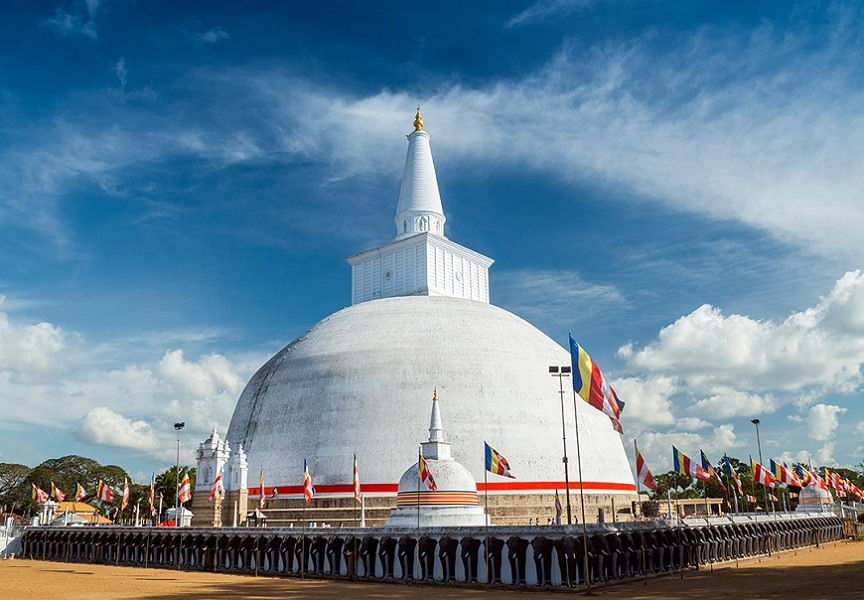
Founded in the 4th century BC, Anuradhapura was one of the great cities of the ancient world — a sophisticated metropolis of perhaps 100,000 people, with advanced hydraulic systems, multi-storey palaces, and colossal religious monuments that rivalled in ambition anything being built in Rome or Persia at the same time.
“At Anuradhapura, the scale of human ambition across two millennia is simultaneously humbling and exhilarating. These people built for eternity.”
Sigiriya: The Fortress in the Sky
Rising 200 metres above the surrounding jungle on a single enormous granite plug, Sigiriya combines royal palace, fortified citadel, and pleasure garden in one extraordinary 5th century complex. The approach winds through sophisticated water gardens, past extraordinary celestial fresco paintings, through the iconic Lion’s Paw gateway, and finally to the summit plateau where the palace ruins command panoramic views across the jungle canopy.
Polonnaruwa: The Perfect Ancient City
Smaller, better preserved, and more harmoniously designed than Anuradhapura, Polonnaruwa is many visitors’ favourite ancient city in Sri Lanka. Its ruins — concentrated in a compact area beside the vast Parakrama Samudra reservoir — include a remarkable royal palace complex and the great Gal Vihara rock temple, where four Buddha figures carved directly into a single granite face represent the pinnacle of Sinhalese stone sculpture. The best way to experience Polonnaruwa is by bicycle — one of the genuinely great archaeological cycling experiences in Asia.